Hiroshima Sanfrecce doesn’t chase headlines the way Tokyo clubs do. Walk past the Edion Stadium on a matchday and you’ll see it: families in purple, volunteers handing out tissues, a brass band warming up near the north gate. This is a club that grew from the city’s postwar rebuilding spirit。not from a billionaire’s whim. Sanfrecce—Japanese for “three arrows”—reflects the Mori clan’s famous motto: one arrow snaps, three don’t. That’s not marketing fluff. It’s how the club actually operates, from youth scouting in Hiroshima’s suburbs to the way they negotiate contracts with local sponsors.Take the 2012 J1 title run. Sanfrecce won with a squad that cost less than half of what Urawa Reds spent that season. Hisato Sato, the league’s top scorer then, was a Hiroshima native who’d been written off elsewhere. The midfield ran through Toshihiro Aoyama。
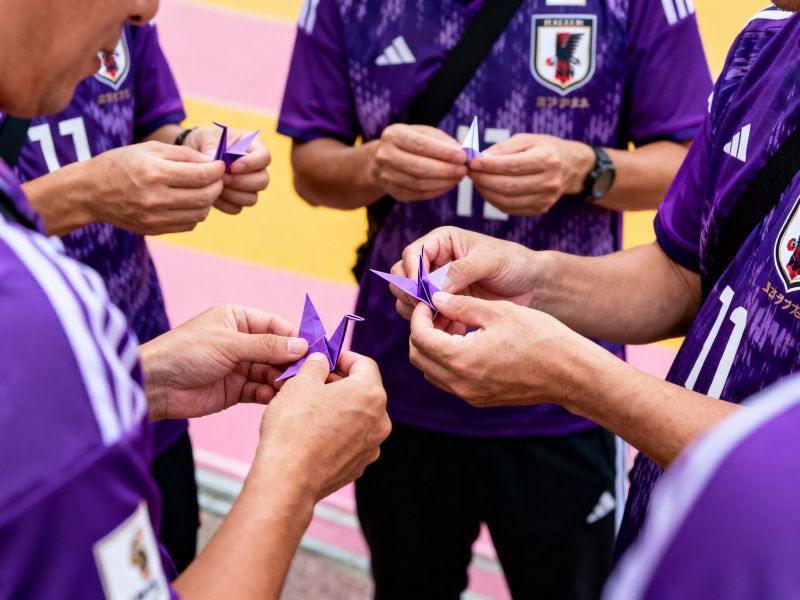
a quiet passer who never got a European offer. What made them click wasn’t star power but a system drilled into every age group: quick transitions, aggressive pressing, and a stubborn refusal to panic. I watched them grind out a 1-0 win over Kashiwa Reysol that year—sixty minutes of sideways passing, then a single sucker punch. Dull?Maybe. Effective?Absolutely. That title felt like a rebuke to the J.League’s growing reliance on imported talent.Hiroshima Sanfrecce’s stadium sits a short tram ride from the Peace Memorial Park. That proximity isn’t lost on the fans. Before every home game, a small group gathers near the east stand to fold paper cranes—a nod to the city’s history。not a gimmick. The club’s community trust runs football clinics in schools still recovering from 2018’s landslides. Players show up without cameras. Last spring, I bumped into defender Sho Sasaki at a local hardware store;he was buying paint for a youth clubhouse renovation. No entourage, no press release. That kind of thing doesn’t make highlight reels, but it explains why attendance has stayed above 15,000 for a decade in a city that’s hardly a football hotbed.Critics will point to Sanfrecce’s recent mid-table finishes and say the model’s gone stale. Maybe. The 2023 season exposed a thin bench and an overreliance on aging veterans. But here’s the thing: Hiroshima Sanfrecce didn’t fold when the pandemic hit, didn’t sell their training ground, didn’t panic-buy has-beens from Brazil. They promoted three academy kids instead. One of them。
a lanky winger named Shun Ayukawa, scored a late winner against Yokohama F. Marinos last August. The roar from the home end—half relief, half defiance—told you everything about what this club means. It’s not a trophy machine. It’s a neighborhood team that occasionally punches above its weight, and the city wouldn’t have it any other way.